Research
Business Continuity Plan
For hospitals and other healthcare facilities, it is crucial to maintain an operational level that allows them to always provide ‘routine’ care, even during an event that directly affects them (power failure, cyber-attack). Various simulation methods (tabletop exercises, full-scale exercises, etc.) can be used to improve preparedness and test procedures. Tabletop exercises are discussion-based and often require less preparation than operations-based exercises (e.g. full-scale exercises). Our center uses these tools to evaluate and develop business continuity plans for hospital pharmacies.
Pandemic
The COVID-19 pandemic has put great pressure on global health systems and has had a major impact on pharmacies. Our center is currently analyzinghave analyzed the responses of civilian and military pharmacists in Switzerland and deducing recommendations for dealing with future crises of this type.
Simulations
Simulation is a method that can be used to improve disaster preparedness. Most studies that have shown a positive impact of this type of training on response focus on the activities of physicians, nurses and paramedics. Our center seeks to develop new concepts and to provide new data in the pharmaceutical field. To that endeavor, disaster simulation exercises on a 1:1 scale are conducted in Swiss hospital pharmacies. The main objective is to evaluate whether a simulation can improve a hospital pharmacy's response to a major event.
Risk analyses
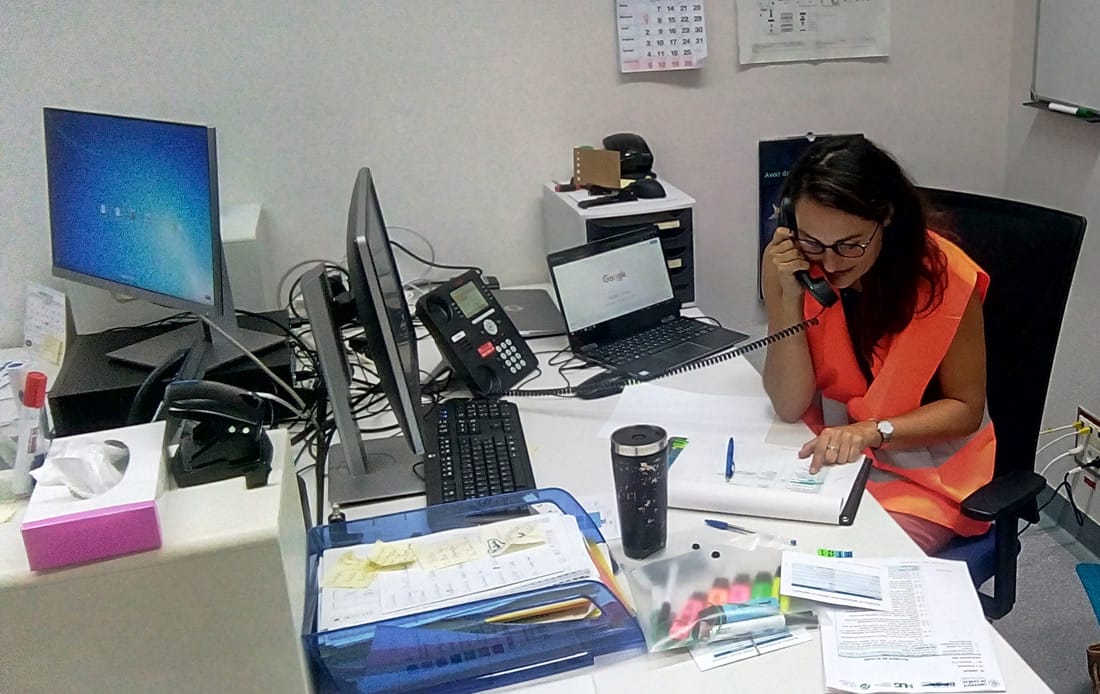
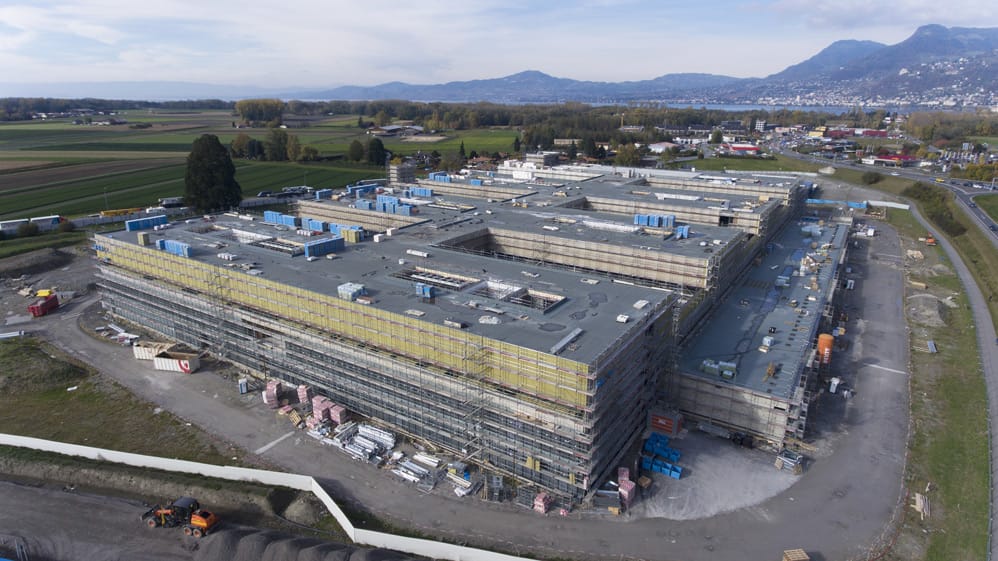
In 2019, a Swiss multi-site hospital, the [Hôpital Riviera-Chablais (HRC)]](https://www.hopitalrivierachablais.ch/), have moved to a unique site in Rennaz. In the literature, this particular event is sometimes referred to as a disaster situation (evacuation concept, etc.). In this context, a project to improve patient safety in relation to the medication circuit when a hospital moves was born. Therefore, a risk analysis (FMECA) was carried out. This analysis, focuses on a move situation, also allows extrapolating this situation to an emergency evacuation. This analysis improved both patient safety during the move and the development of a hospital's disaster plan.
Observational studies
In 2016, the International Pharmaceutical Federation (FIP) issued recommendations to improve pharmacists' response to natural disasters. This document highlights the importance of preparedness, particularly in hospitals. In 2018, our center conducted a survey to determine the level of compliance of hospital pharmacies in Europe, including Switzerland, with these recommendations. Its purpose was to collect information on the management of hospital pharmacies in Europe in the event of emergencies and disasters. It was distributed to the chief pharmacists of European hospital pharmacies with the support of the European Association of Hospital Pharmacists (EAHP).